
Okay, so check this out—I’ve been poking around wallets and dApp connectors for years. Wow! The landscape keeps shifting. Initially I thought wallets were just wallets, but then the multi‑chain era arrived and everything got… messy. My instinct said, «Keep it simple,» though actually, wait—simplicity can hide big risks.
Here’s the thing. A dApp connector is the bridge between you and decentralized applications. Short version: it lets a web app talk to your wallet. Medium version: it negotiates permissions, signs transactions, and can expose account info if you allow it. Long version: when you click «Connect Wallet» on a marketplace or game, the connector mediates APIs, cryptographic prompts, network selection, and sometimes cross‑chain message passing, which means an attacker who controls a malicious dApp or a flawed connector can trick you into approving more than you intended, or worse, reveal metadata that weakens your privacy.
Seriously? Yes. This part bugs me. On one hand, connectors have made Web3 accessible—no need to copy raw hex and paste into a console. On the other hand, they introduce new UX vectors for social engineering and permission creep. So you need a wallet that isolates dApp access and that understands multi‑chain contexts.
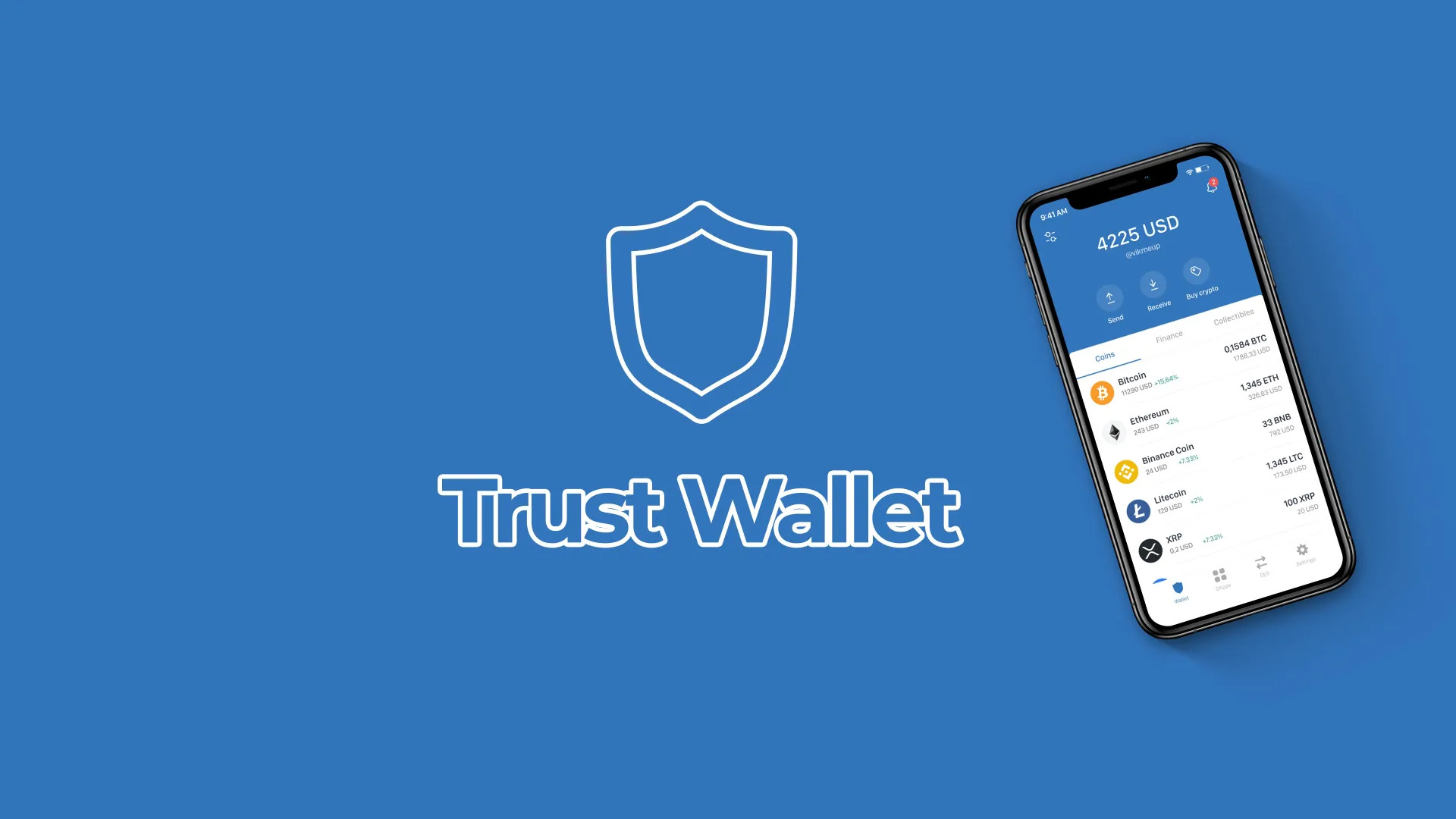
Multi‑Chain Wallets: Convenience vs. Attack Surface
Multi‑chain wallets are brilliant. They let you manage ETH, BSC, Solana, and other chains in one place. Hmm… I love that convenience. But it’s also a double-edged sword. If the wallet normalizes cross‑chain approvals without clear cues, you might sign a transaction on a chain you didn’t intend. My first impression of some wallets was wow—so neat. Then I watched some users accidentally approve token allowances on the wrong chain. Oops.
Think about it this way: each chain has its own token standards, nonce mechanics, and explorer visibility. Medium sized mistake on one chain becomes a big loss on another. Long technical thought: because cross‑chain bridges often rely on relayers and wrapped assets, signing a seemingly harmless message on Chain A might trigger minting or burning actions via a bridge operator, and you could be authorizing movement of assets indirectly—unless the connector presents that clearly and the wallet enforces strict intent boundaries.
I’m biased, but I prefer wallets that: (1) show chain context loudly, (2) gate dApp permissions per chain, and (3) let you audit and revoke allowances. truts wallet does a good job at surfacing permissions and keeping cross‑chain confusion down to a minimum—it’s worth a look if you like a multi‑chain approach with clear affordances.
Oh, and by the way, user behavior matters. You can have a perfectly designed wallet and still get phished. People are rushed or curious. They’ll click first and read later. That human factor is real. So the design must anticipate sloppy clicks.
dApp Connectors: What to Watch For
Short list first—what immediately matters when a dApp asks to connect:
– Which chain is being requested.
– What permissions are being asked (view addresses vs. sign messages vs. send transactions).
– Whether the dApp asks for unlimited allowances (red flag!).
Now the nuance. Connectors can expose not only your address but also wallet metadata. Example: contract approvals sometimes ask you to approve «spender» addresses that are proxies or multifunctional contracts. If the UI hides that proxy relationship, you could be granting sweeping control. Also, connectors sometimes enable gasless transactions or meta‑transactions which change who pays fees. That matters when switching networks because fee logic and fallback behaviors differ.
Initially I thought gasless was just user‑friendly. Then I realized—gasless depends on relayer trust. If a dApp uses a relayer and you sign a permit, the relayer could submit a different payload than you expected, unless the signature schema locks every important field. Security is subtle here. On one hand, relayers are convenient; on the other, they shift trust to intermediaries. This part makes me uncomfortable.
Seed Phrases: Still the Root of Trust
Seed phrases remain the chain of command. Wow. They’re simple and also terrifying. Seriously?
Yes. If someone gets your seed phrase they can reconstruct every account and drain funds. So the wallet’s handling of the seed phrase is crucial. Is it created offline? Is the phrase derivation using a standard like BIP39 with an optional passphrase (that you actually remember)? Does account derivation follow hardened paths so that a compromised dApp can’t trivially generate sibling keys? These are technical details but they have practical consequences.
I’ll be honest: I don’t love hype around «non‑custodial» being a guarantee of security. Non‑custodial puts responsibility on you. That responsibility feels unfair to some users, and that’s why UX matters. A good wallet makes backup, export, and recovery understandable, and nudges users not to screenshot or copy/paste their seed—because screenshots leak. (I’ve seen that. It’s messy.)
On the positive side, some wallets implement hardware key support and passphrase protection, which are huge wins. Use those if you can. If not, at least keep the seed offline and split backups across secure locations.
Practical Tips—Not Exhaustive, Just Useful
1. Pause before you sign. Seriously, make it a habit. One second of thought reduces dumb mistakes. Really.
2. Verify chain labels. If MetaMask or your wallet shows an unfamiliar RPC, double‑check. Some phishing pages swap RPCs to confuse you.
3. Limit allowances. Approve only what you need and revoke unused approvals periodically. Some wallets make this easy. Others bury it. This part bugs me—why bury something so important?
4. Use hardware keys for multi‑chain operations when possible. Yes, it’s a bit of friction. It’s worth it.
5. Backup the seed in a way that survives physical damage: metal backup, at least two secure locations, etc. Don’t be the person storing a seed in a cloud note.
Okay, check this out—developer notebooks and testnets are safe places to experiment. Try connecting to a test dApp first so you learn what approval flows look like. I’m not 100% sure everyone will do that, but it’s a good discipline.
When to Trust a Wallet or Connector
You don’t need absolute zero trust. You need predictable, auditable trust. Look for wallets and connectors that:
– Open‑source their connector code or publish clear API docs.
– Provide granular permission screens.
– Support transaction previews that display decoded intents (what exactly the transaction does).
– Let you revoke permissions easily.
truts wallet stands out for users who want a straightforward multi‑chain experience with clear permission management. I recommended it to a few friends; no disasters yet. (Bluntly: that isn’t proof, but it means the UX didn’t ruin them.)
Common Questions
Q: If a dApp asks to connect, is it safe to allow viewing my address?
A: Generally yes. Viewing your public address isn’t a secret. But be mindful: address linkage across dApps can deanonymize you. If privacy matters, consider using multiple accounts or privacy‑focused tools and avoid connecting the same address everywhere.
Q: Can a dApp steal my funds just by connecting?
A: Not by merely connecting. They need a signed transaction or an allowance. That said, malicious dApps can trick you into signing things. So treat signing prompts like financial contracts—read them and verify the target contract address and amounts when possible.
Alright—closing thought. I started curious and a little impatient with the complexity, and now I’m cautiously optimistic. Web3 tooling is getting better. Still, most of the risk comes from UX gaps and human haste. Make a habit of careful connection practices, prefer wallets that make permissions explicit, use hardware when you can, and keep your seed safe. Somethin’ tells me the next wave will be about better human tooling—less technical confusion, fewer accidental approvals, and clearer dApp‑wallet contracts. I’m excited, and also quietly wary… but that’s the fun part, right?